HumHarmonics came out of a simple idea I kept circling back to: a transformer will tell you how it's doing if you listen to its hum, and the phone in your pocket is already good enough to hear it.
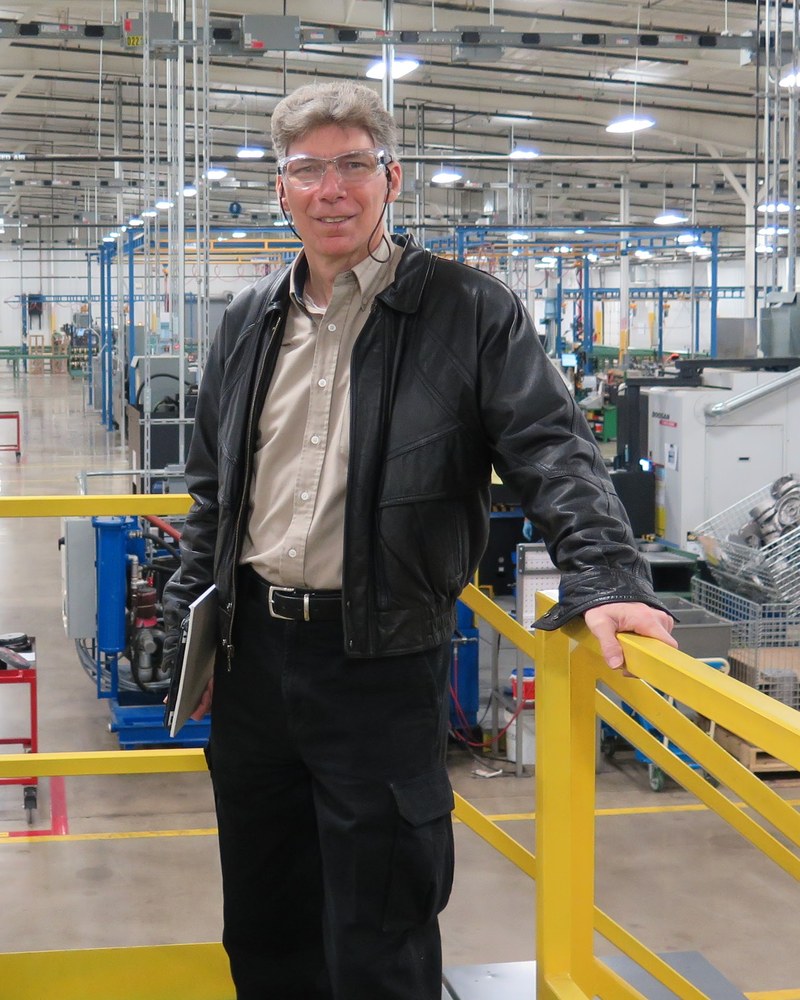
I built my first variable-frequency drive for Westinghouse in 1982, working from hand-written instructions in a 3-ring binder. It was test stamp 28 on the Accutrol 300, the first VFD the company ever sold. By 1984 I was teaching VFD theory to Westinghouse's own engineering department in Oldsmar, Florida, and to plants like Chevron out in the field. In the decades since, I've automated just about everything I could get my hands on, from Visual Basic ActiveX controls talking to PLCs and drives, to Palm Pilot apps on the plant floor, to the control-system software for the Fukushima emergency cesium-removal system under contract with Sloan Electric in San Diego. Motors, drives, transformers, PLCs, robots, and now AI and machine learning. I've always wanted to be where the leading edge is.
Spend enough time around electrical gear and you learn that a transformer is never really quiet. That 60-cycle hum isn't just noise, it's the core and windings responding to the field, and the shape of it changes as the iron starts to saturate or degrade. The harmonics riding on top of the fundamental are where the story is. The trouble was always the same: reading them meant test equipment, a setup, and often a reason to shut something down. Most techs on a routine round don't have any of that with them.
The one tool everybody always has is the phone in their pocket. Lately I've been using AI and machine learning to capture hard-won, high-tech knowledge and put it to work, and semi-retiring finally gave me the time to chase ideas I'd carried for years while I was too busy helping everyone else. HumHarmonics is one of them: lock the iPhone microphone into a flat, honest measurement mode, run the hum through the same kind of signal analysis I've used my whole career, and hand back a Total Harmonic Distortion figure anyone can read, from the outside, without opening a thing.
I know this gear, which is exactly why I'll tell you straight that HumHarmonics is happiest on line-fed, dry-type transformers and reactors you can safely get close to, and that a heavily enclosed or oil-filled unit can muffle the hum it needs to hear. That's the honest version. My goal is simple: put a quick, repeatable harmonic reading in the hands of every tech and operator, using the tool they already have.
These days I tell people I'm a helper. I'm getting older now, and I owe it to the young people coming up to pass down what I know. HumHarmonics is one way I'm doing that.
Teaching VFD theory in the 1980s, a few years after building that first drive.
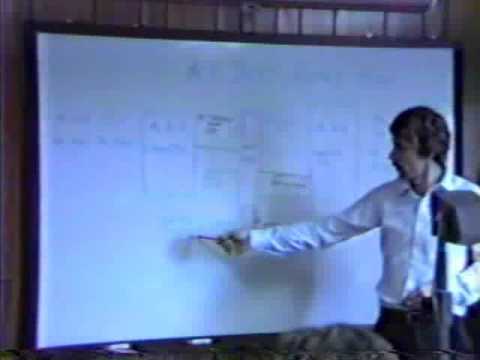 Teaching VFD theory to Westinghouse engineering, Oldsmar, FL, 1984
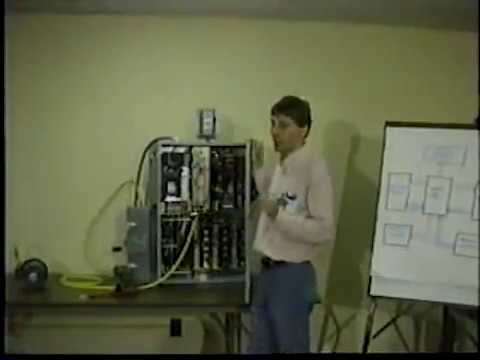 A VFD class taught at a Chevron plant, 1987
Whether you run an electrical contracting shop, manage maintenance for a city or county, or just want to try HumHarmonics on your own equipment, I'd love to hear from you.